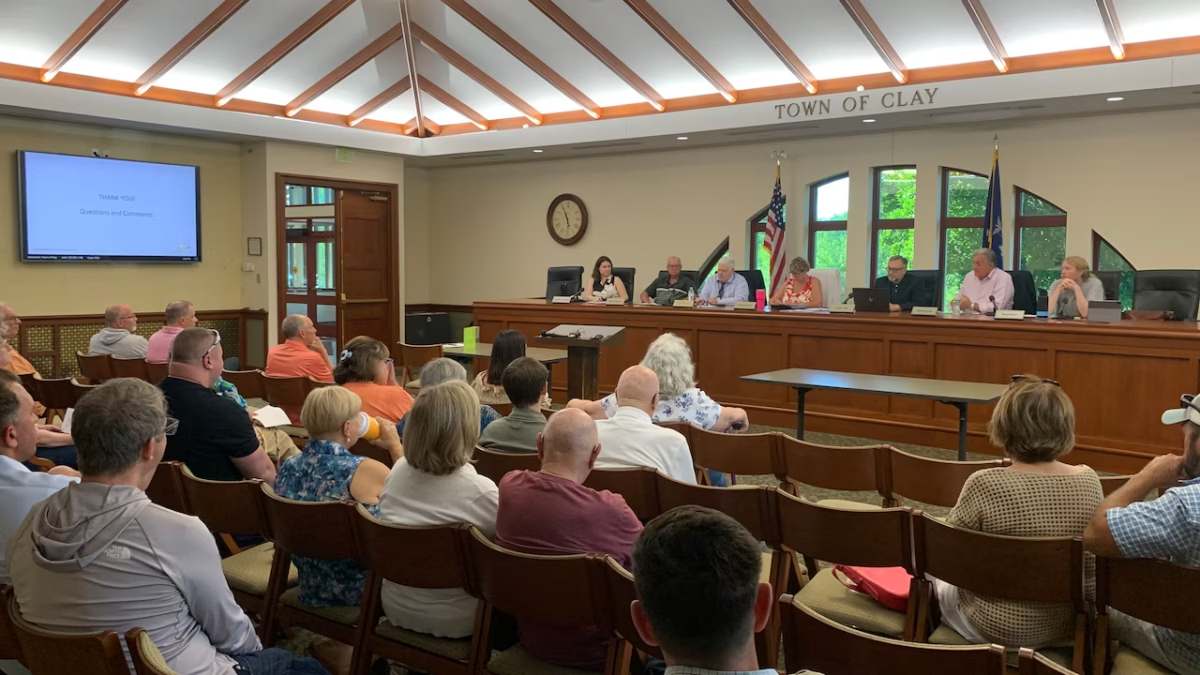
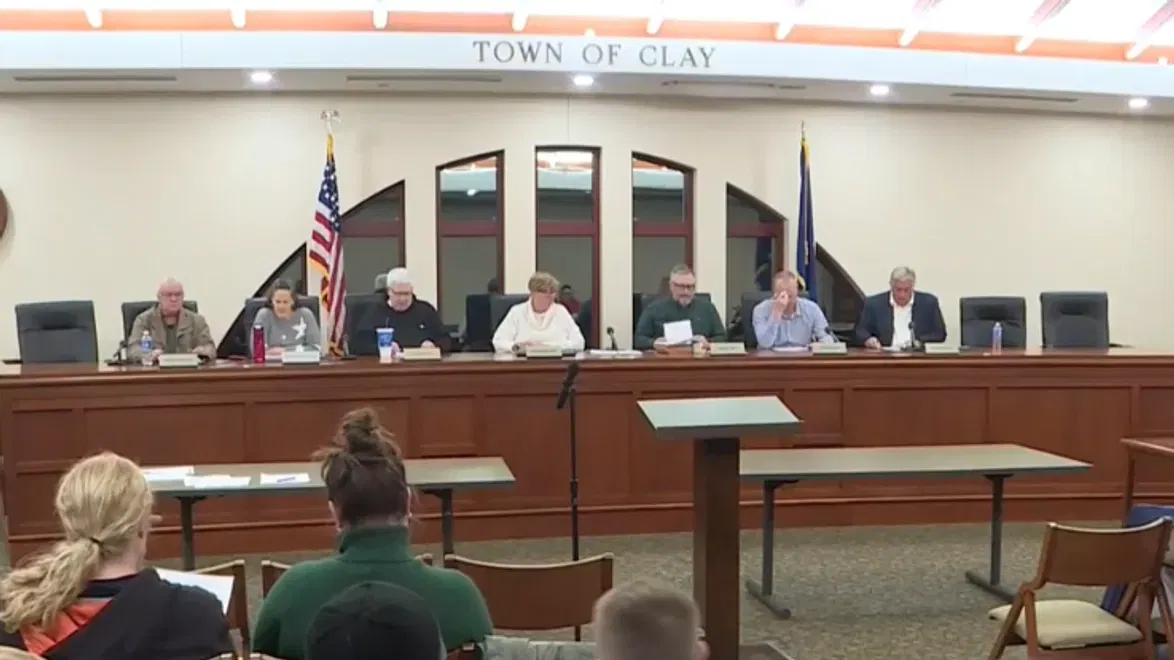
CLAY, N.Y. — The Clay Town Board has approved a one-year moratorium on new data centers and other high-intensity computing facilities, saying the temporary pause will allow officials time to study the potential impacts before any projects are proposed.
The moratorium halts applications for large-scale data centers, artificial intelligence computing facilities, cryptocurrency mining operations and similar developments for up to 12 months while the town reviews possible effects on infrastructure, public safety, water use, noise and the electric grid.
Town officials said no data center projects have been proposed in Clay, but the action is intended to ensure the town has regulations in place as development accelerates around Micron’s planned semiconductor campus. Deputy Town Supervisor Joseph Bick said the town does not want to be caught off guard by future applications.
Several residents spoke in favor of the temporary pause during a public hearing. Brian Shanahan said he supports a short-term moratorium while officials gather more information.
“I would support a moratorium on an interim basis and not a permanent basis,” Shanahan said. “Until we really know more, I think there’s a quality of life concern.”
Town officials emphasized the moratorium is not intended to prohibit data centers permanently, but to give the municipality time to develop local regulations before considering future proposals. The discussion comes as other Central New York communities have also debated temporary pauses on data center development, while Onondaga County has launched its own study of the industry’s potential impacts.
In addition to the moratorium, the board approved a new Battery Energy Storage System Law establishing Chapter 209 of the town code. The law creates guidelines for the siting, design, operation and maintenance of battery energy storage systems.
Town officials said the measure is intended to balance the benefits of emerging energy storage technology with protections for public safety, the environment and nearby properties. As part of the approval process, the town determined the law would not have a significant environmental impact and would not require a full environmental impact statement.